


At a Glance
Few kitchen decisions spark quite as much debate as choosing what kind of heat you want to cook with. Serious home chefs often swear by the responsive, tactile control of a live flame, while fans of smooth ceramic glass love the even heat and effortless cleanup. Settling the gas vs electric stove debate really comes down to how you like to cook, what your utility bills look like, and whether your kitchen already has the electrical or gas infrastructure ready to go.
Our local appliance specialists have completely mapped out every nuance of kitchen fuel sources to make your purchase decision simple and stress-free. At WDC Kitchen & Bath Center, our four decades of regional showroom experience give you clear guidance on energy rates, culinary control, and venting codes across Southern California. This comprehensive guide compares installation expenses, fuel consumption, cooking styles, and indoor emissions so you can choose the ideal platform for your space.
Upgrade Your Kitchen Range
Explore our vast collection of luxury cooking appliances and discover the perfect fuel type for your home.
Explore RangesKey Takeaways
- Installation Requirements: Gas setups require an active, code-compliant gas supply valve, while electric ranges demand a dedicated 240-volt electrical circuit.
- Thermal Energy Transfer: Smooth-top electric ranges deliver roughly 70 to 80 percent of their heat directly into pans, compared to just 32 to 40 percent on gas burners.
- Baking and Roasting Balance: Electric oven cavities produce dry, uniform heat that produces exceptional pastries, while gas ovens release natural moisture that keeps meats tender.
- Indoor Safety and Air Quality: Gas combustion releases byproducts like nitrogen dioxide that require ducted ventilation, whereas electric cooking avoids indoor fuel emissions entirely.
Comparing Upfront Purchase and Installation Costs
When shopping for a stove, baseline sticker prices remain closely matched between both fuel formats. Reliable entry-level ranges for either fuel type typically start around $800, while premium slide-in designs range between $1,500 and $3,500. If you are exploring the best luxury cooking ranges, commercial-style models from premium manufacturers can exceed $7,000 regardless of whether you choose cast-iron grates or a sleek glass deck.
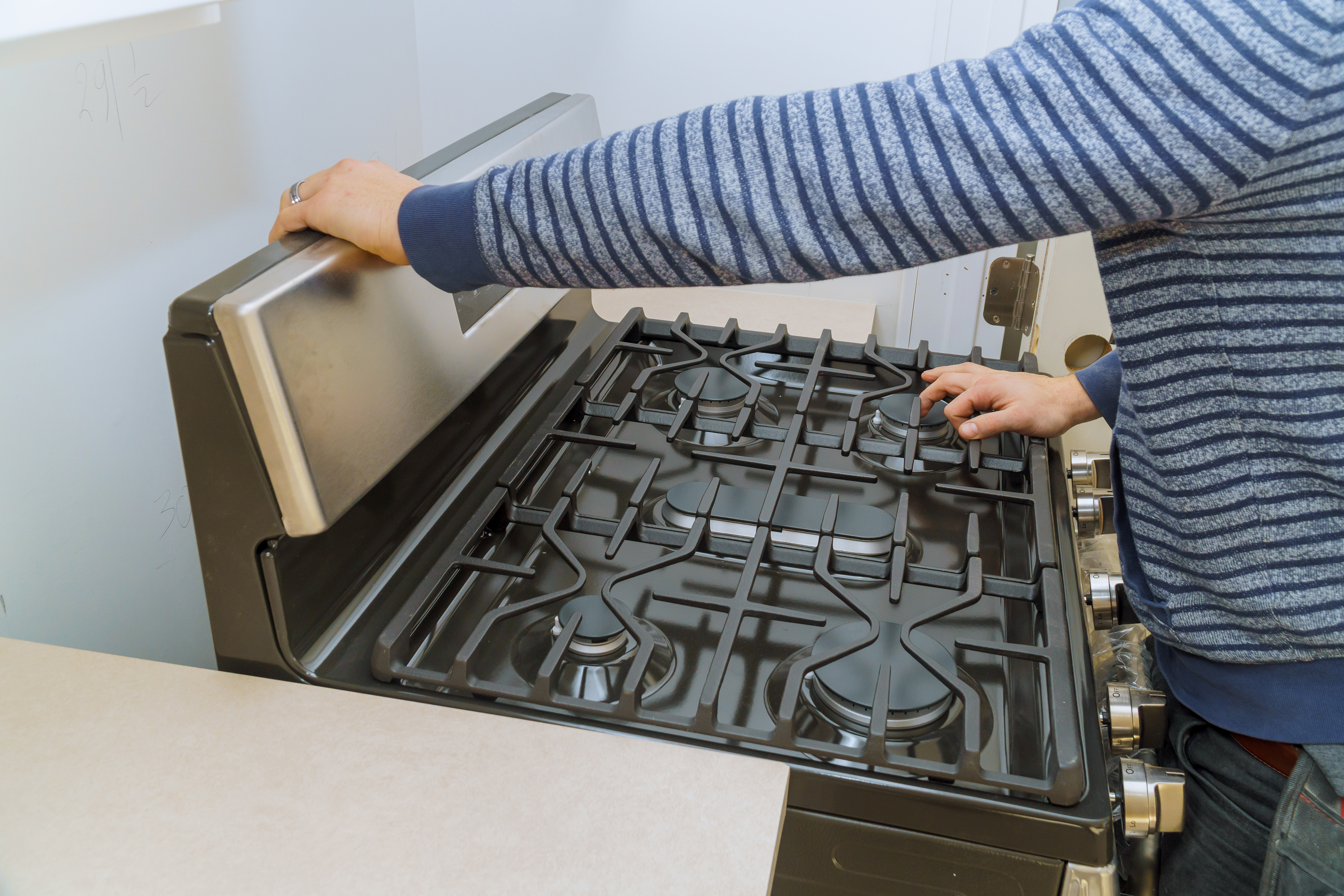
The real price disparity emerges behind the wall during the installation phase. A gas unit requires a nearby black iron supply pipe with an accessible manual shut-off valve. If your kitchen currently lacks gas plumbing, hiring a licensed contractor to route a line from your main meter can add $500 to $1,500 to your total project cost.
Conversely, an electric range requires a dedicated 240 volt outlet for electric stove connection wired to a 40-amp or 50-amp dual-pole breaker. Converting an older gas kitchen to electric power requires pulling heavy copper conduit through finished walls. If your main electrical panel lacks open breaker slots, adding subpanels or upgrading electrical service can cost anywhere from $1,200 to $3,000. Evaluating your existing wall utilities upfront ensures your kitchen remodel stays within budget.
Operating Costs and Energy Efficiency Explained
Evaluating the gas vs electric stove cost to run involves balancing local utility rates against how effectively each appliance transfers heat. In most regions, residential natural gas remains considerably cheaper per British Thermal Unit (BTU) than retail kilowatt-hour electricity rates. An average household cooking daily on natural gas spends significantly less on monthly utility bills compared to one using electric resistance elements.
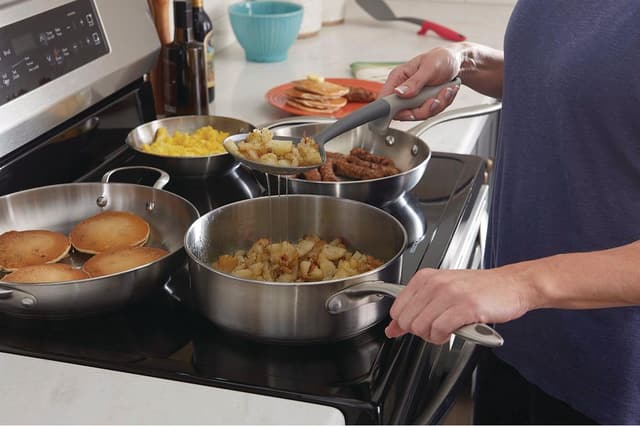
However, calculating the energy efficiency gas vs electric stove comparison reveals a massive gap in thermal performance. Open gas flames suffer from heavy thermal loss, transferring only 32 to 40 percent of their heat energy into your pots while venting the rest into your room. An electric smooth top vs gas range comparison shows that radiant ceramic glass surfaces transfer roughly 70 to 80 percent of their heat directly into cookware bases.
This thermal transfer disparity creates a secondary benefit during warm summer months. Because radiant electric units waste far less ambient heat into your kitchen, your home air conditioning system does not have to work as hard to keep living areas cool while you cook.
Cooking Precision: Instant Flame vs Even Electric Heat
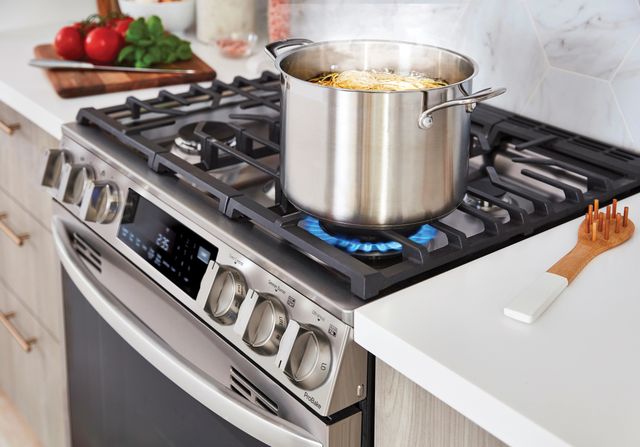
Your culinary style plays an immense role in determining the right gas vs electric stove cooking performance for your household. Gas cooktops give you immediate visual feedback. You can adjust the flame height instantly with a quick turn of the dial, throttling heat levels without waiting for a coil to cool down. This responsiveness makes gas ideal for high-heat searing, stir-frying with curved wok bases, and charring peppers directly over the grate.
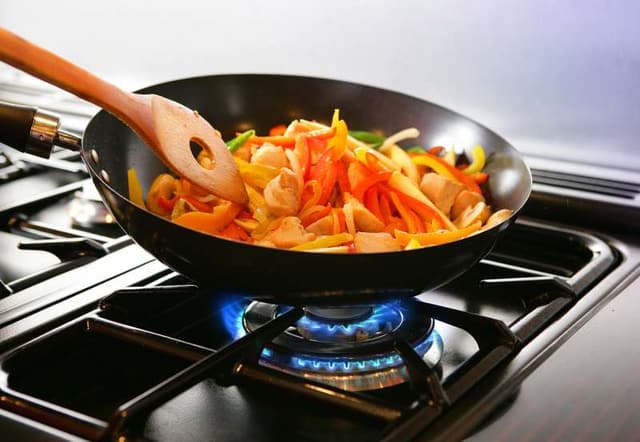
Radiant electric vs gas burners offer different advantages for everyday meals. A smooth glass electric surface excels at maintaining ultra-steady, low temperatures. This level of control allows you to melt baking chocolate or gently hold a cream sauce for extended periods without scorching.
When evaluating gas vs electric stove baking results, the oven cavity performance flips:
- Electric ovens provide a dry, stable heat environment that creates crisp bread crusts, delicate soufflés, and evenly browned cookies.
- Gas ovens produce water vapor as a natural byproduct of combustion, creating a humid cavity that prevents large roasts and whole poultry from drying out.
Gas vs Electric Stove Feature and Performance Breakdown
| Feature | Gas Range | Electric Smooth-Top Range |
|---|---|---|
| Heat Responsiveness | Instantaneous flame adjustments with immediate visual feedback | Gradual heat changes as radiant coils warm or cool |
| Energy Transfer Efficiency | Roughly 32% to 40% of generated heat reaches the pan | Approximately 70% to 80% of heat transfers directly to cookware |
| Operating Cost | Lower monthly fuel expense in markets with cheap natural gas | Higher monthly operating cost based on local electric utility rates |
| Baking Consistency | Natural moisture helps roast meats but can cause uneven pastry browning | Dry, uniform airflow delivers superior baking and browning results |
| Indoor Air Quality Impact | Produces combustion emissions that require active ducted exhaust | Zero direct combustion emissions generated inside the cooking space |
| Cleaning Difficulty | Requires lifting heavy grates and scrubbing multi-piece burners | Flat glass surface wipes completely clean with a specialized sponge |
The Pros and Cons of Gas vs Electric Stoves
Choosing between open-flame cooking and a smooth electric stove requires balancing tactile control against daily maintenance and home efficiency. Reviewing these trade-offs helps you select the right cooking surface for your family.
Pros
Immediate Flame Control
Gas burners react the exact second you turn the knob, making temperature adjustments instantaneous.
Cookware Versatility
Gas grates accommodate any pan style, including round-bottom woks and rough cast iron.
Flawless Pastry Baking
Electric oven elements provide dry, stable temperatures that yield uniform baking across multiple racks.
Effortless Surface Care
Smooth electric glass tops allow you to wipe away greasy splatters across a flat plane.
Cons
Combustion Byproducts
Gas cooking releases indoor pollutants that require high-powered outdoor exhaust systems.
Residual Surface Heat
Electric glass cooktops stay dangerously hot long after burners are shut off.
Indoor Air Quality, Emissions, and Kitchen Safety
Consumer attention regarding gas stove health risks nitrogen dioxide and indoor emissions has grown considerably. When natural gas burns, it releases combustion byproducts into the living area, including nitrogen dioxide, carbon monoxide, and trace amounts of benzene. Prolonged exposure to elevated nitrogen dioxide levels without proper ventilation can trigger respiratory irritation and worsen symptoms for individuals with asthma.
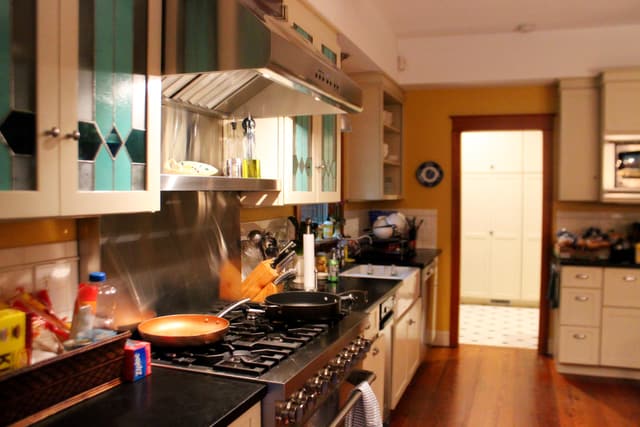
Because of these combustion byproducts, installing a high-CFM range hood is critical when operating a gas range. Verifying range hood ventilation requirements ensures that your exhaust fan actively pulls fumes and excess moisture out of the living space.
Our installation teams always advise maintaining at least 30 inches of vertical clearance between the cooktop surface and the bottom of your range hood to capture rising grease and combustion gases effectively.
Physical safety factors also differ across both styles:
- Gas ranges present open-flame fire risks and the potential for household gas leaks if a burner knob is accidentally bumped.
- Electric smooth-tops remove open flame hazards entirely, but the glass surface retains high residual heat for several minutes after cooking, requiring care around curious children.
Everyday Maintenance and Cleaning Differences
Daily cleanup friction often dictates how much you enjoy your kitchen appliances over time. Maintaining a traditional gas range cooktop involves multiple steps. You must lift heavy cast-iron grates, remove loose burner caps, and scrub deep recessed wells that trap boiled-over soups and splattered oils. Reassembling burner components incorrectly can lead to uneven ignition or clicking igniters.
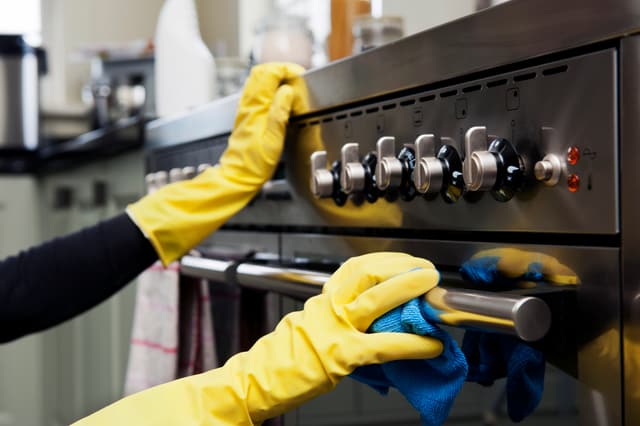
A smooth ceramic glass electric cooktop eliminates recessed crevices. Spills remain contained on top of a single, continuous plane that you can wipe down with a soft microfiber cloth once cooled.
To keep glass tops looking pristine, avoid sliding rough cast-iron pans across the surface, as coarse metal bottoms can cause permanent scratches. Cleaning the glass with a dedicated ceramic cooktop cream removes baked-on grease rings without clouding the glossy finish.
Choose Your Next Stove at WDC
Deciding between a gas or electric range comes down to your home's existing utility hookups, your preferred baking and cooking techniques, and your ventilation setup. Whether you prefer the immediate responsiveness of open flames or the sleek, easy-to-clean efficiency of a smooth glass top, modern appliances provide outstanding performance for any culinary enthusiast. Visit WDC Kitchen & Bath Center to experience these appliances in person across our expansive Southern California showrooms. Since 1981, our family-owned business has provided live kitchen displays throughout Ventura, Los Angeles, and Santa Barbara counties, backed by experienced staff guidance and professional installation services.
Gas vs Electric Stove FAQs
A gas stove is generally cheaper to run each month because residential natural gas rates are significantly lower than standard retail electricity prices per unit of energy. However, electric stoves waste far less thermal heat into the room, which can help lower air conditioning bills during hot weather.
Professional chefs prefer gas stoves because open flames offer instant heat adjustments, visual temperature feedback, and complete compatibility with round-bottom woks and heavy cast iron. The responsive flame allows cooks to sear, char, and sauté with complete tactile control.
Replacing a gas stove requires having a dedicated 240-volt electrical outlet connected to a 40-amp or 50-amp circuit breaker already installed behind your range cutout. If your kitchen only has a standard 120-volt outlet for the gas igniter, you will need a licensed electrician to run new heavy-gauge wiring.
Yes, electric ovens generally bake better because their heating elements produce dry, consistent heat that creates uniform rising and even browning on breads and pastries. Gas ovens release natural water vapor during the combustion process, which creates a humid environment that is better suited for roasting juicy meats.
Yes, operating a gas stove without an active ducted exhaust hood can cause indoor levels of nitrogen dioxide and fine particulates to exceed outdoor safety limits. Running a high-CFM range hood vented directly to the exterior clears these combustion byproducts from your home.
Gas stoves typically last between 15 and 18 years because their mechanical valves and burner assemblies feature fewer sensitive electronic components. Electric smooth-top ranges usually last between 13 and 15 years due to the digital touch boards and internal thermal switches beneath the glass.
Why Trust WDC?
At WDC Kitchen & Bath Center, we’ve been proudly serving Southern California since 1981. What began as a small family business has grown into one of the largest independently owned kitchen and bath showrooms in the region, rooted in family values and exceptional service. With locations throughout Ventura, Los Angeles, and Santa Barbara counties, our team of knowledgeable professionals is dedicated to helping you bring your dream kitchen or bath to life.
Our expansive showrooms feature live kitchens, beautifully curated displays, and products from the industry's most trusted brands. At WDC, we believe every customer deserves personalized attention, high-quality products, and a trusted partner every step of the way.
Shop Ranges in Southern California
Have questions about choosing the right kitchen appliance for your home? The WDC team is here to help! When you're just browsing ranges or planning a full remodel, our friendly staff is ready to guide you. Visit one of our showrooms or call us at 888-487-2298.
→ Learn more: 7 Double Oven Stove Features That Will Change How You Cook Forever