


At a Glance
A realistic washing machine budget should cover more than the price displayed on the appliance. Setting your washing machine budget requires balancing upfront cost with capacity, efficiency, expected lifespan, and the features your household will use regularly. Delivery, installation, new hoses, old appliance removal, and long-term utility expenses can also affect the true amount you spend.
WDC Kitchen & Bath Center helps shoppers compare washers across budget, mid-range, and premium price tiers. This guide breaks down current washing machine prices, explains how top-load and front-load designs affect cost, and separates essential functions from optional upgrades. You will also learn which additional expenses to plan for and when a higher initial investment may deliver better long-term value.

Shop Reliable Laundry Appliances
Browse our massive inventory of high-quality washers and dryers today.
Explore Washers on SaleKey Takeaways
- Price Tiers Explained: Basic top-loaders start under $500, while high-efficiency smart units easily exceed $1,000.
- Long-Term Savings: Spending more upfront on a front-load model generally leads to significant monthly water and energy savings.
- Hidden Installation Fees: You must always account for delivery charges, new hoses, and old unit haul-away costs before finalizing your purchase.
Breaking Down the Average Washing Machine Price Range
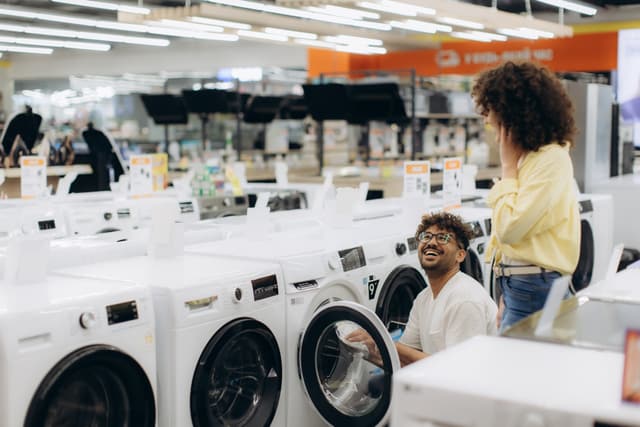
When you walk into a showroom today, the current appliance market looks very different than it did ten years ago. Recent supply chain shifts and heavy inflation have pushed the baseline cost to buy a washing machine slightly higher across the board. At the same time, massive technological advancements mean even entry-level units pack serious cleaning power. Setting a realistic washing machine budget starts with understanding exactly what each price tier offers.
Price also varies according to capacity, finish, brand, and included warranty coverage. Two washers with similar cleaning systems may have different prices because one includes a larger drum, upgraded controls, or a premium exterior color. Before increasing your washing machine budget, compare the features that affect daily performance rather than appearance alone. Store promotions, manufacturer rebates, floor models, and outlet inventory may also make a mid-range or premium appliance more affordable. Confirm the warranty status and inspect discounted models carefully so the lower price does not come with an unexpected trade-off.
Budget Models (Under $600)
Affordable washing machines under $600 are almost exclusively traditional top-load models with central agitators. These basic units focus entirely on straightforward mechanical cleaning without complex digital boards or advanced sensors. You will find standard rotary dials, basic temperature settings, and smaller drum capacities that work perfectly for single people or couples.
Mid-Range Models ($600 to $1,200)
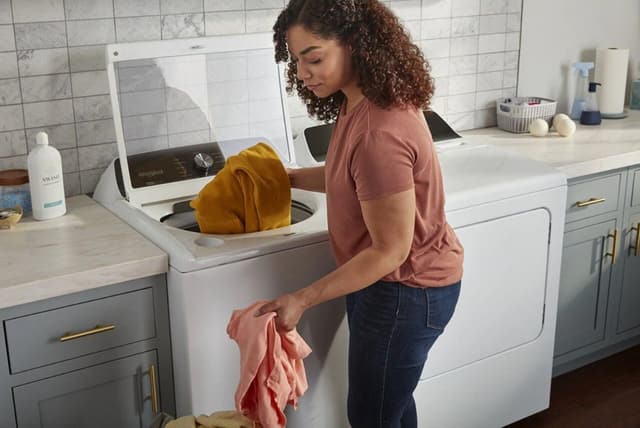
These washers represent the sweet spot for most busy households looking for long-term reliability. You gain access to high-efficiency top-loaders and entry-level front-load models that offer significantly better fabric care. These units feature digital displays, specialized wash cycles, and larger drum capacities that easily handle heavy bath towels and king-size bedding.
Premium Models (Over $1,200)
High-end vs budget washing machines differ vastly in their connectivity and finishing materials. Luxury washers boast massive capacities, touch-screen interfaces, and smart home integration for remote monitoring. You are paying for advanced vibration reduction, steam cleaning cycles, and premium aesthetic finishes that look fantastic in upscale laundry rooms.
Comparing Budget, Mid-Range, and Premium Washing Machines
Reviewing this breakdown helps you align your ideal washing machine budget with the exact features your family needs daily.
|
Feature |
Budget Tier |
Mid-Range Tier |
Premium Tier |
|
Average Price Range |
$300 - $500 |
$500 - $1,000 |
$1,000 - $2,500+ |
|
Standard Load Capacity |
3.5 - 4.2 cubic feet |
4.5 - 5.2 cubic feet |
5.3+ cubic feet |
|
Typical Machine Style |
Traditional Top Load |
HE Top Load & Front Load |
Premium Front Load |
|
Smart Features |
None |
Basic App Diagnostics |
Full Wi-Fi Integration |
|
Energy Efficiency |
Standard Rating |
ENERGYSTAR® Certified |
Maximum Efficiency |
|
Expected Lifespan |
7 - 10 Years |
10 - 13 Years |
12 - 15 Years |
Top Load vs. Front Load: How Style Impacts Your Cost
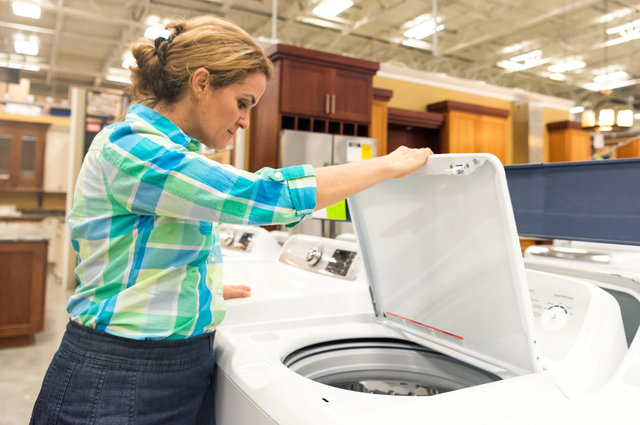
Choosing between a front load vs top load washer cost heavily influences your initial out-of-pocket expense. Traditional top-load models rely on simpler internal mechanics, which keeps their manufacturing costs relatively low. Because of this, top-load machines generally feature a lower upfront price tag and remain the go-to choice for a tight washing machine budget. If you need cheap washing machine options immediately, top-loaders offer the fastest path to clean laundry.
However, analyzing this purchase purely from a financial perspective requires looking at long-term utility bills. Front-load washers carry a steeper initial price tag, but their tumbling action requires drastically less water per cycle. They also spin much faster, extracting more moisture so your heavy clothes dry much faster. These superior energy and water savings routinely offset the higher purchase price over the appliance's expected lifespan.
Maintenance costs also belong in the front load vs top load washer cost comparison. Front-loaders require regular gasket cleaning and must remain slightly open between cycles to prevent moisture and odors. Top-loaders avoid a front door seal, but agitator models may place more mechanical stress on clothing and provide less room for bulky items. Households that wash frequently may recover the higher price of a front-loader through utility savings, while occasional users may receive better overall value from a simpler top-load machine.
Essential Washer Features vs. Premium Upgrades

Navigating the sales floor means differentiating between must-have functional features and luxury add-ons that inflate the price. Every buyer needs a machine with adequate load capacity to handle their weekly laundry pile efficiently. Reliable wash cycles, a solid metal drum, and strong build quality from reliable washing machine brands represent non-negotiable essentials. These core functions determine how well the appliance actually cleans your clothes day after day.
Premium upgrades quickly drain a modest washing machine budget if you are not careful. Built-in Wi-Fi connectivity, automatic bulk detergent dispensers, and ultra-quiet vibration reduction technologies are highly convenient but not strictly necessary. Unless you have a specific lifestyle need for high-end features like steam cleaning for severe allergies, skipping these luxury add-ons keeps your purchase highly affordable.
Focus your spending on features that solve a recurring laundry problem. A larger drum may be worthwhile for families washing bedding every week, while automatic detergent dispensing can reduce waste in households running several loads per day. Steam cycles may benefit people who regularly clean heavily soiled fabrics, but casual users may rarely select them. Noise and vibration controls deserve consideration when the laundry area sits near bedrooms or living spaces. Matching each upgrade to an actual household need prevents you from paying for technology that adds little practical value.
Budgeting for Installation, Delivery, and Maintenance
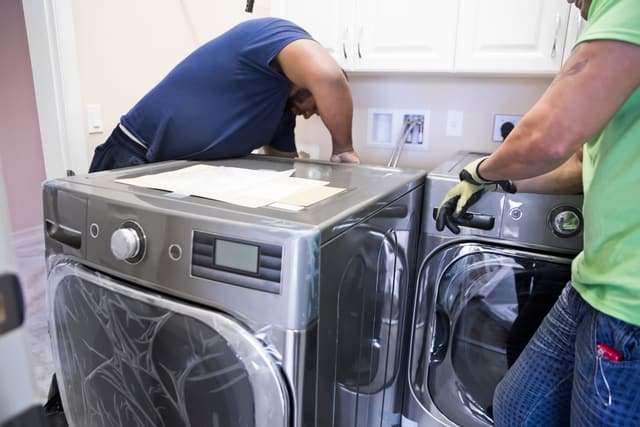
Understanding the total cost of ownership is necessary because your final bill extends well beyond the initial sticker price. Many buyers forget to factor in hidden expenses like professional installation fees and standard delivery charges. You also need to budget roughly thirty to fifty dollars for local appliance haul-away services to remove your broken unit. Appliance experts advise buyers to purchase brand new stainless steel braided water hoses during installation, as reusing old rubber hoses drastically increases your risk of a catastrophic burst and severe water damage.
You should also weigh the financial pros and cons of purchasing extended warranties for high-tech models. Basic mechanical units rarely need extra coverage, but digital front-loaders with complex computer boards often benefit from a protected service plan. Selecting a high-efficiency ENERGYSTAR® rated model directly lowers your monthly water and electricity bills. Accounting for these ongoing utility savings gives you a much more accurate picture of your true washing machine budget over the next decade.
Find the Perfect Washing Machine in Budget
Setting realistic price expectations helps you navigate budget tiers, prioritize essential features, and calculate long-term utility savings confidently. Whether you want a basic top-loader or a highly efficient front-load unit, staying within your financial comfort zone is totally possible. We invite you to shop the massive selection at WDC Kitchen & Bath Center today. Our independent Southern California showrooms offer expert personalized guidance, professional installation services, and dedicated local customer support that big-box retailers simply cannot match.
Washing Machine FAQ
Most buyers spend between $500 and $1,000 for a reliable mid-range unit that balances good capacity with modern efficiency. Setting your washing machine budget in this range gives you access to durable models from highly trusted brands.
Yes, paying a higher upfront price for a front-loader is generally worth it because they use significantly less water and electricity. The ongoing utility savings typically offset the higher initial purchase price over the life of the appliance.
An affordable entry-level washing machine generally lasts between seven and ten years with average household use. Sticking to a strict maintenance routine and avoiding overloading the drum helps maximize this operational lifespan.
An energy efficient washing machine drastically lowers your monthly utility bills by reducing both water consumption and electrical draw. These consistent monthly savings make high-efficiency units incredibly cost-effective over a ten-year period.
Major holiday weekends like Memorial Day, Labor Day, and Black Friday offer the deepest discounts on large laundry appliances. Retailers also aggressively mark down older inventory during the early spring when manufacturers release their new models.
Smart features are only worth the extra expense if your laundry room is located far away and you need remote phone notifications to know when a cycle finishes. If you do your laundry in a central hallway, these Wi-Fi upgrades do not improve the actual cleaning performance.
Why Trust WDC?
At WDC Kitchen & Bath Center, we’ve been proudly serving Southern California since 1981. What began as a small family business has grown into one of the largest independently owned kitchen and bath showrooms in the region, rooted in family values and exceptional service. With locations throughout Ventura, Los Angeles, and Santa Barbara counties, our team of knowledgeable professionals is dedicated to helping you bring your dream kitchen or bath to life.
Our expansive showrooms feature live kitchens, beautifully curated displays, and products from the industry's most trusted brands. At WDC, we believe every customer deserves personalized attention, high-quality products, and a trusted partner every step of the way.
Shop Washers in Southern California
Have questions about choosing the right kitchen appliance for your home? The WDC team is here to help! When you're just browsing washing machines or planning a full remodel, our friendly staff is ready to guide you. Visit one of our showrooms or call us at 888-487-2298.
→ Learn more: The Pros & Cons of Top Load Washing Machines